


The Future of Consumer Products
The consumer products industry, often referred to as consumer-packaged goods (CPG), covers the design, production and distribution of everyday goods. These goods are typically grouped into four categories: convenience, shopping, specialty and unsought.
As the industry continues to evolve due to changing consumer habits, leading companies also face inflation, global supply pressures and demographic shifts that influence demand across markets.
When thinking about rapid change in the consumer products market, three themes have emerged: digital transformation, sustainability and supply chain resilience.
Digital Transformation in the Consumer Products Industry
Digital tools have become central to consumer experiences, both in the products they buy and how they buy them. E-commerce platforms and direct-to-consumer channels now allow brands to engage with buyers directly, which can be a strategic advantage in product marketing and an opportunity for total digital transformation.
One strategic advantage includes using analytics to study consumer behavior. Direct sales also mean direct data, and artificial intelligence especially can help analyze this data to improve pricing and refine marketing.
Inside organizations, automation is changing how demand planning and inventory management are handled. These shifts continue to increase efficiency while also improving customer satisfaction.
How do Sustainability and ESG Affect Consumer Products?
Sustainability has become a priority for consumers. Shoppers seek products with smaller environmental impact, and in response, companies are changing their packaging, supply chains and product design.
Investors are also paying attention to ESG. Many firms now publish reports that outline their progress on environmental and social goals or even have a dedicated fund for impact investing. This means investing in businesses that either practice sustainability in their own processes or run their business model on helping others do the same.
Supply Chain Resilience is Increasingly Important for Consumer Products
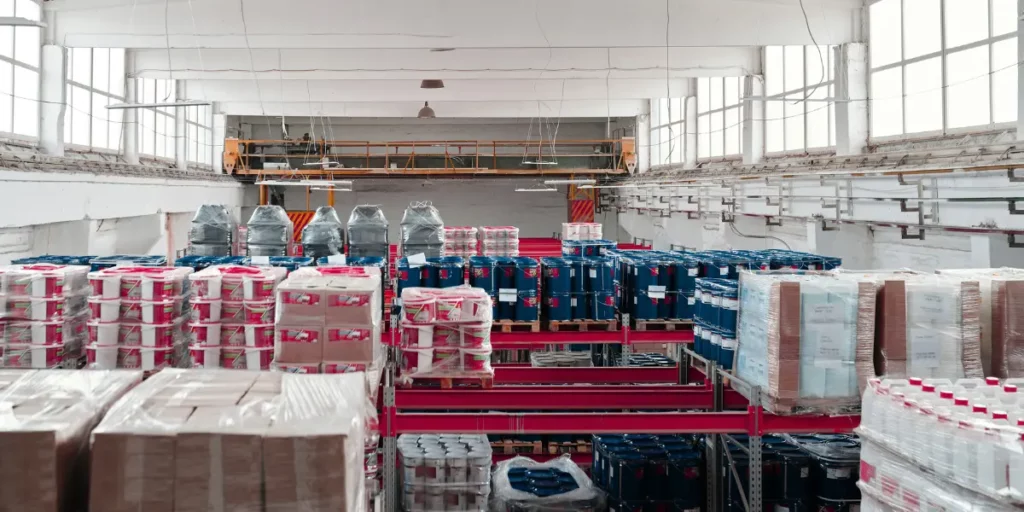
The consumer products sector has faced repeated supply disruptions in recent years, similar to light and heavy manufacturers. Many companies are responding by building more flexible supply networks.
Technology helps firms track operations more closely and identify risks earlier. With greater visibility, leaders can react faster when shortages or delays appear. Building resilience in this area is critical to keeping products on shelves and maintaining consumer trust.
Supply chain shifts have also pushed many organizations to elevate procurement as a dedicated function. In the past, only large companies tended to employ procurement specialists, while smaller firms often blended those responsibilities into broader supply chain roles. That approach is giving way to a new model.
Hiring managers are now defining procurement as its own position across companies of every size. These positions often sit at the director or vice president level. Candidates are expected to bring experience in budget oversight, supplier negotiations and a strong technical understanding of the materials they manage.
Current Opportunities for Companies and Investors
Mergers and acquisitions remain active across the industry. Larger firms continue to seek smaller brands that bring loyal consumers or new capabilities. Investors are paying close attention to companies that demonstrate digital strength and authentic progress in sustainability.
Leaders inside these businesses have opportunities as well. Building digital capacity and reinforcing supply chain resilience are top priorities. Innovation that anticipates consumer needs will help organizations grow and maintain relevance.

Executive Search
Transformation is the name of the game in consumer packaged goods. Find your next great leader to help ring in exciting change.
Learn more
Contingent Search
In consumer products, performance drives momentum. Our contingent search team places professionals who keep business moving forward.
Learn moreOur Consumer Products Team

Jody Bischoff
VP – Practice Leader
Insights





Subscribe to one of our newsletters to view featured content and open opportunities.
Newsletter HubContact Us
If you're ready to connect with us, fill out the brief form below.