

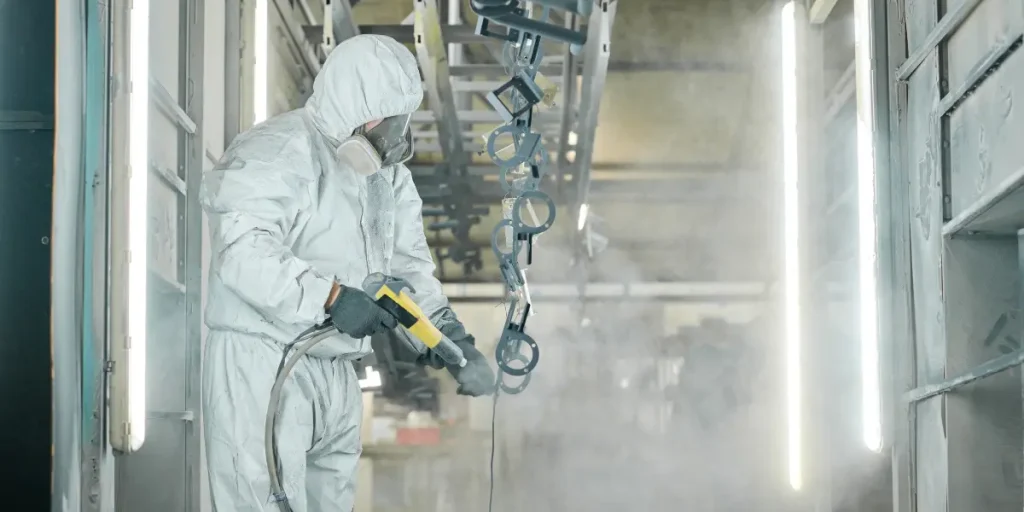
The Evolving Landscape of Industrials
Industrials refers to the broad sector of industrial products and services, from manufacturing and machinery to construction materials, transportation and packaging.
Together, these industries drive progress across markets. The sector has always focused on advancing how businesses produce and deliver essential goods. For decades, it has powered global growth through production and performance.
But the pressures shaping it now are more complex than just scale or output.
New investment strategies, rising expectations around sustainability and a surge in digital tools are reshaping long-standing business models.
Across the board, organizations recognize the need to rethink how they operate and compete. From the plant floor to the boardroom, leaders face increasing pressure to define what meaningful transformation looks like and how to achieve it.
Building a More Sustainable Foundation
Environmental goals have become central to long-term business strategy. Many industrial companies now treat sustainability as a key driver of performance, shaping how they invest, operate and plan for the future.
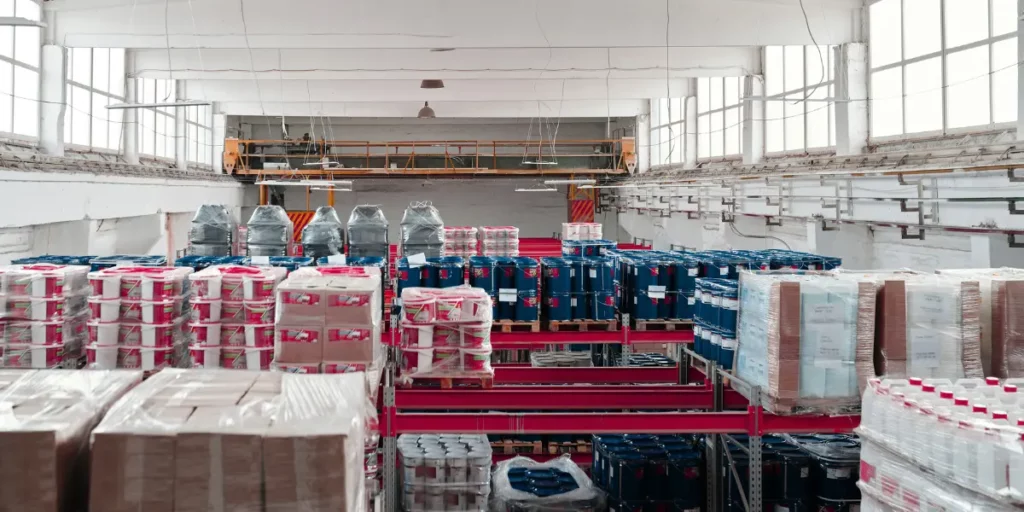
In packaging, for example, customer demand is pushing manufacturers to rethink materials, reduce excess and redesign for reuse. Across the industry, companies are evaluating the full lifecycle of their packaging, investing in cleaner materials and improving recyclability downstream. For plastics and chemical producers, that often means rebuilding supply chains and production methods from the ground up.
At the same time, regulations are tightening and expectations are rising. Buyers and partners want to understand how and where materials are sourced and reused. Manufacturers are beginning to use AI tools to optimize material selection, improve design efficiency and monitor energy consumption across facilities.
The companies making the most progress are the ones that view sustainability as an operating principle rather than a compliance exercise. They link environmental targets to performance metrics, connect material choices to margin impact and embed accountability into daily operations. Private equity investment continues to accelerate this shift as firms seek manufacturers with credible sustainability plans and measurable results.
Private Equity’s Growing Influence in Industrials
The industrials space has long attracted steady capital, but the nature of private equity investment is evolving. Firms are investing in mid-market manufacturers where operational improvements can unlock growth. Investment is especially strong in manufacturing, distribution and packaging sectors where companies can modernize production and boost efficiency and performance.
Private equity firms play a central role in driving industry consolidation. Platform companies are acquiring complementary businesses to increase scale, strengthen supply chains and enter new markets. Consolidation succeeds when leadership integrates acquisitions effectively scale operations efficiently. Firms that combine disciplined strategies with aligned resources often turn these deals into lasting growth.
While sustainability remains an important consideration, private equity investors are also focusing on capabilities that drive performance. Many private equity-backed industrial firms outperform their peers by leveraging stronger governance, better data utilization and disciplined execution. These investors support portfolio companies in modernizing operations, investing in automation and pursuing growth beyond traditional markets.
AI in Industrials
Across the industrial sector, digital tools are transforming how companies operate. Artificial intelligence, advanced analytics and automation are now central to how manufacturers improve precision, reduce downtime and respond to changing demand.
At one automotive supplier, AI monitors equipment in real time, anticipating maintenance needs before failures occur. This reduces downtime and lets engineers focus on design improvements. On the shop floor, AI accelerates 3D modeling, helping teams bring new products to market faster. In electronics and food manufacturing, AI optimizes workflows and performs real-time quality checks, keeping output consistent and reducing waste.
AI is also changing how companies plan production and manage supply chains. At an industrial components manufacturer, operators use analytics to adjust machine workloads and anticipate potential bottlenecks. The same system helps the inventory team forecast demand more accurately, reducing excess stock and avoiding delayed shipments. These improvements create opportunities to serve clients in a new way, such as offering flexible delivery schedules or uptime guarantees supported by AI insights
However, implementing AI requires organizations to rethink how information flows and how employees act on it. Leading firms build cross-functional teams that translate insights into operational and strategic decisions. Employees learn to interpret data quickly, making operations more efficient, while leadership uses the same insights to explore new business opportunities. The growing demand for AI is prompting manufacturers to explore building data centers to support these technologies. In this way, AI becomes part of the company’s strategy, shaping both day-to-day operations and long-term growth.
AI also strengthens organizational agility. Connected systems and real-time analytics allow companies to respond quickly to supply chain disruptions or shifts in consumer demand. Some firms are experimenting with new business models, such as service-based contracts or customized production runs that were previously not possible. Digital maturity has become a competitive advantage, helping organizations respond faster to market shifts and sustain performance under pressure.
The Takeaway
The industrials sector is at a turning point. While the core mission of producing goods, components and materials remains, the way companies fulfill that mission is changing quickly.
Success depends on three connected capabilities: adopting sustainable business practices, using capital and consolidation strategically within the private equity landscape and fully integrating digital technology into operations.
Companies that bring strategy, operations, investment and technology into alignment will be better equipped to compete, grow and create value both financially and environmentally. In a landscape that is increasingly complex and demanding, those who stay grounded in fundamentals while remaining adaptable will stand apart.

Executive Search
Industrial leadership demands deep subject matter expertise and the hard skills to take new products to market. Our team is ready to find executives who meet this mark.
Learn more
Contingent Search
From managers to engineers, the ones running your shop floor play a direct role in shaping business success. Hear how we can help you find those individuals.
Learn more
Transaction Services
Interested in bolstering your portfolio with an industrials-focused business? Our team is ready to source your next transformative acquisition.
Learn moreOUR INDUSTRIALS TEAM

Steven Stewart
Managing Director – Practice Leader

Greg Harper
SVP, Client Partnership Team

Kevin Stemke
Senior Practice Leader

Ryan Krumroy
Practice Leader

Ryan Morgan
Senior Director, Client Partnership Team

Kim Shapiro
President – Aris Amplify

Sean Curley
Managing Director – Charles Aris Transaction Services

Jesse Warnke
Practice Leader

CJ Shook
Senior Associate Practice Leader

Daniel Kregenow
Senior Associate Practice Leader

Jovan Dushner
Account Manager

Jordan Purdy
Account Manager

Taylor Figueroa
Account Manager
Insights




Subscribe to one of our newsletters to view featured content and open opportunities.
Learn moreContact Us
Our team holds extensive knowledge about the world of executive search. If you're ready to connect with us, fill out the brief form below.